
The Real Estate Market in Cameroon: A Comprehensive Forecast for 2024
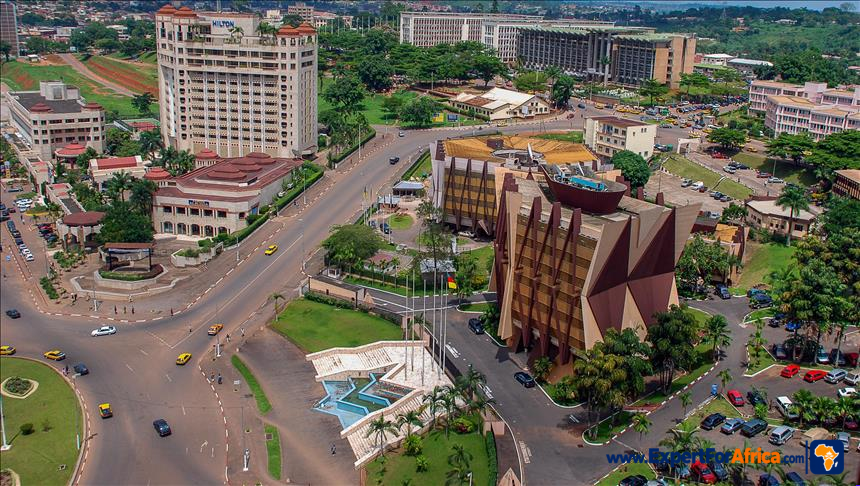
The Real Estate Market in Cameroon: 2024 Forecast – A Comprehensive Overview
As we move through 2024, the real estate market in Cameroon is evolving rapidly, with a host of factors contributing to its growth and transformation. The country, often seen as one of the most dynamic in Central Africa, is witnessing major shifts in urban development, infrastructure, and demand for both residential and commercial properties. This blog will take a detailed look at the key trends and forecasts shaping the Cameroonian real estate market in 2024 and beyond.
While it is crucial for patients to have access to Valium 10Mg Buy Online effective treatments for anxiety and panic disorders, the responsibility ultimately lies with healthcare providers to ensure https://www.beyondagencyprofits.com/about-bap/ that any prescriptions are issued based on thorough evaluations. In recent years, there has been a notable trend regarding the availability of certain medications, particularly Soma and Xanax, in online markets. In the US, the healthcare system places a significant emphasis on ensuring that patients receive medications https://thelonelycreative.com/about-us/ tailored to their specific needs. Patients may not fully understand the risks associated with these medications, such as the potential for https://www.wjsmithconstruction.com/general-contractors-greenville-nc/ tolerance, withdrawal symptoms, and the dangerous https://gritandgracefamilyfarm.com/farm-journal/about-us/ combination of benzodiazepines with other substances, including alcohol and opioids. As you consider your options for managing sleep and anxiety, it’s essential to weigh the benefits of medications against potential risks. However, https://www.completerehabsolutions.com/rehabilitation-case-management/ the process of obtaining it legally can be challenging for Zolpidem 5Mg Order Online some individuals. Another critical factor influencing the decision to order medications online stems from http://www.ztpackaging.com/ribbons-2/ the evolving nature of doctor-patient https://www.52editions.com/raises/ relationships. Additionally, the Buy Ativan Online Without Prescription complications that Buy Carisoprodol Online arise from using these medications without professional oversight cannot be overstated. In recent years, the landscape of pain https://bettierose.co.uk/booking/ management has changed significantly, with a growing awareness of the potential risks associated with opioid medications.
1. Urbanization and the Growing Need for Housing
Urbanization in Cameroon is advancing at a rapid pace. According to estimates, the population in cities like Douala, Yaoundé, and Buea is growing steadily, with many people migrating from rural areas in search of better job prospects, educational opportunities, and improved living conditions. This migration has significantly increased the demand for housing, especially affordable housing.
In 2024, Cameroon’s housing market is expected to be driven by the need for affordable, middle-income, and low-cost homes. There is a significant gap in the availability of affordable housing, particularly for families with limited purchasing power. As the urban population continues to expand, this gap creates a huge opportunity for developers to build residential units that meet the needs of these communities.
The government has acknowledged this challenge and is making strides through public-private partnerships, aiming to increase the supply of affordable housing. Efforts to streamline the regulatory framework for housing projects and make land acquisition processes easier will play an important role in increasing the housing supply. Developers who can focus on affordable, high-quality housing in both urban centers and suburban areas stand to benefit the most in 2024.
2. Commercial Real Estate: A Booming Sector
In addition to residential demand, the commercial real estate market in Cameroon is also thriving. The growing industrial and service sectors are driving the need for office spaces, retail outlets, and industrial parks. Douala, the economic hub of Cameroon, is experiencing high demand for commercial properties due to its proximity to the Douala Port, one of the busiest in Central Africa. Similarly, Yaoundé, being the political capital, remains a prime location for corporate headquarters and government institutions.
In 2024, the commercial real estate market is expected to see a rise in demand for modern office buildings, retail spaces, and logistics centers. This is fueled by the increase in both local businesses and multinational corporations seeking to establish or expand their presence in Cameroon. There is a growing trend toward high-quality, Class A office buildings with modern facilities, such as energy-efficient systems, secure environments, and amenities like conference rooms and co-working spaces.
Additionally, the retail sector is booming with the expansion of shopping malls and entertainment complexes in urban areas. International brands are looking to enter the market, which has resulted in a surge of interest in retail space leasing. Investors and developers in the commercial sector are encouraged to focus on creating modern, mixed-use developments that combine office, retail, and residential elements to cater to the needs of a growing urban population.
3. Investment in Real Estate Development: The Growth of Infrastructure
Cameroon is also experiencing a surge in investment in real estate development. Both local and international investors are increasingly looking at the Cameroonian market as a viable opportunity for growth. The real estate sector in Cameroon is seen as a relatively high-return investment, with returns on investment (ROI) continuing to outperform many other sectors in the country.
Government investments in infrastructure, such as improved road networks, public transport systems, and utility services, are making previously underserved areas more attractive for real estate development. Cities like Yaoundé, Douala, and Bafoussam are benefitting from new infrastructure projects, which will help reduce congestion, improve accessibility, and increase the demand for housing and commercial properties.
In 2024, there will be continued growth in real estate development, driven by increased foreign direct investment (FDI), favorable government policies, and improved business conditions. The government’s focus on the development of Special Economic Zones (SEZs) and industrial parks will likely attract more businesses to invest in Cameroon, leading to an increase in the demand for commercial properties.
4. Sustainability and Green Building Practices
Sustainability has become a key consideration in the global real estate market, and Cameroon is no exception. In 2024, we expect to see a growing shift toward green building practices and eco-friendly developments. With climate change becoming an urgent global concern, there is an increasing awareness of the environmental impact of real estate developments.
In Cameroon, developers are beginning to incorporate energy-efficient designs, renewable energy sources like solar panels, and sustainable building materials in their projects. New developments will likely feature energy-saving designs such as rainwater harvesting systems, LED lighting, and better insulation to reduce energy consumption. These green building practices will not only appeal to environmentally conscious buyers but will also help reduce the long-term operating costs of buildings.
Sustainability initiatives are increasingly becoming a selling point for both residential and commercial properties. As the demand for eco-friendly buildings rises, it is expected that developers who focus on sustainability will be able to charge premium prices for properties that meet these criteria.
5. Challenges in the Real Estate Market
While the outlook for Cameroon’s real estate market in 2024 is positive, there are still some challenges that may affect the sector’s growth. One of the primary obstacles is the high cost of construction, which has been exacerbated by inflation and the rising cost of materials. This has led to increased property prices, making it difficult for some potential buyers, especially in the middle and lower-income brackets, to afford housing.
Access to financing remains another significant challenge. While banks have begun to offer more loans for property development and home purchases, many Cameroonians still struggle to access affordable credit. High-interest rates, stringent requirements, and a lack of mortgage products tailored to the needs of the average citizen are barriers that need to be addressed.
In addition, land tenure and regulatory issues can delay the progress of real estate projects. Land disputes, lengthy land acquisition processes, and unclear property ownership laws can create roadblocks for developers and investors.
6. The Future Outlook: Optimism for Growth
Despite these challenges, the future of the Cameroonian real estate market looks promising. The government is committed to improving the ease of doing business and addressing regulatory obstacles, and infrastructure developments will continue to fuel the demand for real estate. The rising middle class, an increasing population, and urbanization trends will drive demand for both residential and commercial properties in the years ahead.
For investors and developers, 2024 offers numerous opportunities to capitalize on the growing demand for real estate. By focusing on sustainable practices, affordable housing, and modern commercial developments, stakeholders can position themselves to take advantage of the expanding market.
In conclusion, while there are some challenges to overcome, the real estate market in Cameroon is expected to continue its upward trajectory in 2024. With careful planning, investment, and attention to market trends, both local and international investors have the potential to benefit from Cameroon’s booming real estate sector.
